
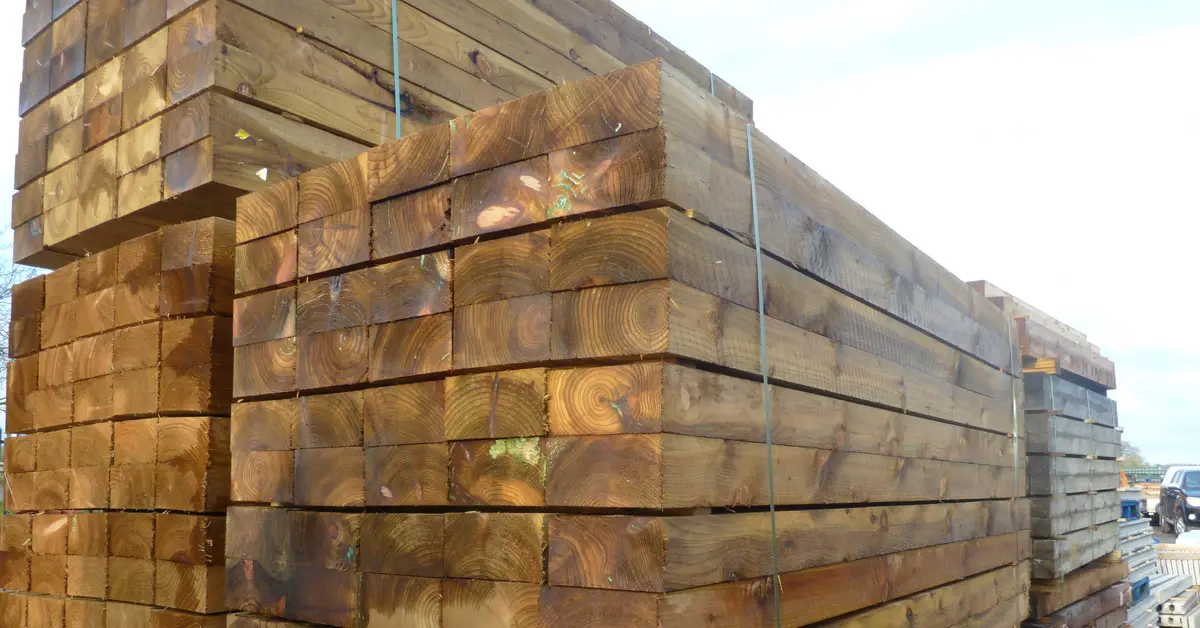
At a glance: C16 vs C24
- C16: Commonly used for standard structural work in domestic builds (when specified).
- C24: Higher strength and consistency – often chosen for longer spans, heavier loads, or tighter performance requirements.
- Best practice: Always follow drawings/engineer specs. If unsure, speak to our team and we’ll help you specify correctly.
We stock and supply both grades, and our team can help confirm the best option based on your drawings, spans, and application.
When you’re working to tight schedules or complex construction programmes, the last thing you need is uncertainty around materials.
Different types of timber might look similar at first glance, but when it’s being used structurally – i.e. in joists, studs, rafters and frameworks – it’s the strength grade that matters.
That’s where C16 and C24 come in – two of the most common structural strength grades used in construction.
Choosing the right one can help you meet structural requirements, avoid delays, and ensure everything is compliant with drawings and engineer specs.
In other words, selecting the correct structural timber grade helps you build safely, efficiently, and to specification.
At South London Timber, we supply kiln-dried, graded carcassing timber and a wide range of construction softwood sizes – with clear advice to help you choose the right grade, size and finish first time.
Explore our timber and sheet materials range on our Products page, or contact our team for a fast quote and availability.
If you’re unsure which grade you need, our dedicated sales team and account managers will talk you through it quickly – whether you’re building a loft conversion or managing a multi-phase site.
What do C16 and C24 actually mean?
C16 and C24 are strength grades for structural softwood timber – which is commonly used for carcassing.
The “C” stands for conifer (softwood), and the number relates to the timber’s strength class.
In practical terms:
- C16 is a widely used structural grade suitable for many standard construction applications.
- C24 is a higher-strength structural grade, often specified where loads are greater, spans are longer, or performance needs to be more consistent.
Both are graded and assigned a strength class based on characteristics such as knot size, slope of grain, and other natural features.
The key point is that C24 is stronger than C16 – and choosing the correct grade is essential for meeting specifications and achieving safe, compliant results.
Common uses when C16 is typically suitable
C16 timber is commonly used for many general structural applications in domestic and light commercial buildings.
Typical uses include:
- Stud walls and partitions
- Standard joists in domestic settings (subject to span and load requirements)
- Roof timbers and rafters where C16 is specified
- General framing and carcassing work
If your project is straightforward, your spans are modest, and the specification calls for C16, it’s a cost-effective and widely available option.
That said, “typical” doesn’t mean “always”. The right grade should always be chosen based on the design, loads, and the span tables/engineering requirements.
If you’re working from drawings, you’ll usually see the grade noted clearly (e.g. “C16” or “C24”) alongside size and treatment requirements.
Common uses when C24 is the better choice
C24 is often specified where structural performance needs to be higher or more consistent.
It can be the better option for:
- Longer spans (floors or roofs)
- Higher load situations
- Where deflection needs to be minimised
- Projects with tighter tolerances or higher performance requirements
- Certain commercial applications where specifications demand C24 as standard
In many cases, engineers and designers specify C24 to provide additional strength and consistency.
If you’re working on a project where structural performance needs to be spot-on, C24 can provide extra reassurance.
For example, if you’re trying to achieve a longer clear span or reduce bounce/deflection in a floor, your engineer may specify C24 to meet performance targets without increasing section size.

Is C24 always “better” than C16?
C24 timber is stronger – but that doesn’t automatically mean you should always use it.
What matters is the specification and the intended use:
- If a project is designed for C16, then C16 is usually perfectly appropriate.
- If a project is designed for C24, substituting C16 could cause problems with compliance, performance, and safety.
There are also other practical considerations to keep in mind:
- Cost: C24 can be priced higher due to grading yield and supply factors.
- Availability: Depending on market conditions, lead times and stock levels can vary.
- Over-specifying: Using a higher grade than required isn’t necessarily harmful, but it may increase costs unnecessarily.
If you’re not sure, the safest approach is simple: check the drawings/specification, or speak to a professional.
And if you want it made easy, speak to us.
Why avoiding substitutions matters
If your drawings specify a particular grade, don’t substitute C16 for C24 (or vice versa) without checking first.
Even if timber sizes look the same, the grade affects structural performance and compliance.
If availability is an issue, speak to our team – we can help you find a suitable solution that stays aligned with your specification.
What else should you consider besides timber grade?
Timber grade is a big piece of the puzzle, but it’s not the only factor that affects performance and suitability.
1. Kiln dried vs green timber
For internal structural use, kiln dried timber is typically preferred because it has a more stable moisture content, reducing movement as it acclimatises.
This is especially important for internal joinery and studwork, where movement can cause cracking, twisting, or fixing issues later.
2. Planed all round vs sawn
Planed timber offers a cleaner finish and more consistent dimensions. This is particularly useful for studwork, joinery-related tasks, or where accuracy matters.
If you’re working to tighter tolerances (or want a cleaner finish), PAR timber can save time on site.
3. Treated vs untreated
If timber is exposed to moisture risk, external conditions, or higher hazard environments, treatment may be essential.
Always match the treatment level to the exposure risk and the project specification.
4. Size and length requirements
Getting the right cross-section is as important as the grade. Correct lengths can reduce joins, speed up installation, and improve structural consistency – especially on longer spans.
We supply a wide range of sizes of carcassing timber and can help with sourcing requirements when projects call for something specific.
A simple “quick decision” guide
If you want a straightforward rule of thumb (always subject to spec):
- Use C16 when it’s a standard domestic application, shorter spans, and drawings/specification confirm C16.
- Use C24 when spans are longer, loads are higher, or when the engineer/specification calls for C24.
And if you’re still uncertain, don’t guess. A quick call can save rework, wasted materials, and delays.
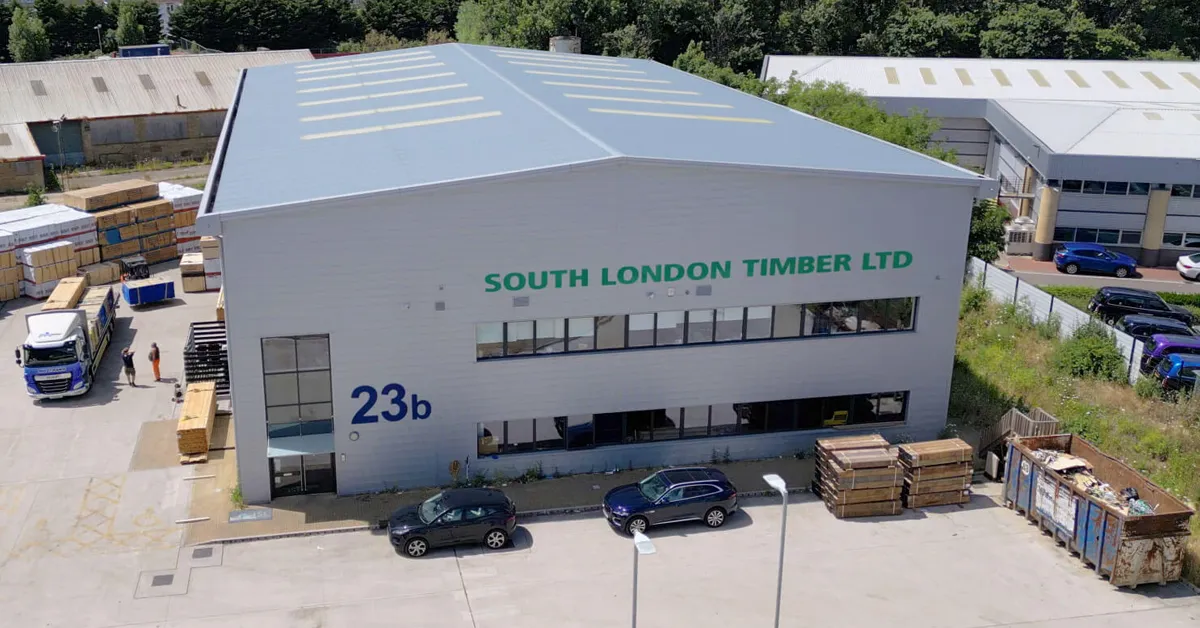
Why choose South London Timber for graded carcassing timber?
The right timber choice is easier when you have the right partner.
South London Timber supports everyone from local builders and homeowners, to contractors working on major programmes and infrastructure projects.
Our team has over 30 years’ experience in dealing with:
- Structural requirements and spec-led orders
- Time-sensitive deliveries
- Repeat supply across phased projects
- Customers who need clear answers, fast
We understand how procurement works on high-pressure jobs – from spec checks and phased deliveries, to keeping supply consistent as programmes progress.
We’re known for being approachable and responsive – and because we supply to serious construction environments, we understand that materials aren’t just products. They’re an essential part of your programme.
Speak to our team and get it right first time
If you’re pricing a job, planning a build, or already on site and need to confirm whether C16 or C24 is right for your project, our team is here to help.
We’ll help you specify the right structural timber (including grade, size and finish), arrange supply, and keep your project moving.
Tell us what you’re building (and if you have drawings/specs), and we’ll recommend the right grade, size, and finish – plus advise on treatment and availability.
To speed things up, share the timber sizes, spans, and whether it’s internal/external – or simply send your drawings and we’ll handle the rest.
- Call: 020 7252 8383
- Email: sales@sltimber.co.uk
- Complete the form on our Contact Us page