
At a glance
When comparing timber quotes, make sure you check:
- Whether you are comparing like-for-like products
- Timber grades, treatment, sizes and quantities
- Delivery terms, lead times and logistics
- What is included, excluded or assumed
- Whether any items are provisional or subject to availability
- The level of service, communication and support behind the quote
- The wider cost of delays, substitutions or ordering mistakes
The cheapest timber quote is not always the best value if it creates extra cost, delays or avoidable problems later on.
When you are pricing a project, it is easy to focus on the headline number.
That is understandable: margins matter, budgets are under pressure, and buyers often need to review multiple quotes in a short space of time.
But when it comes to timber and sheet materials, the lowest price does not always represent the best overall value.
A quote can look cheaper because it assumes a different specification, excludes delivery, leaves out machining, or does not fully reflect the needs of the site. If that only becomes clear after the order is placed, the real cost can quickly rise.
For builders, contractors and procurement teams, the best approach is to compare timber quotes in a way that gives you confidence in the product, the service and the delivery plan – not just the initial figure on the page.
With that in mind, here are the six key things to check when comparing timber quotes properly.
1. First make sure you are comparing like-for-like products
This is the most important starting point.
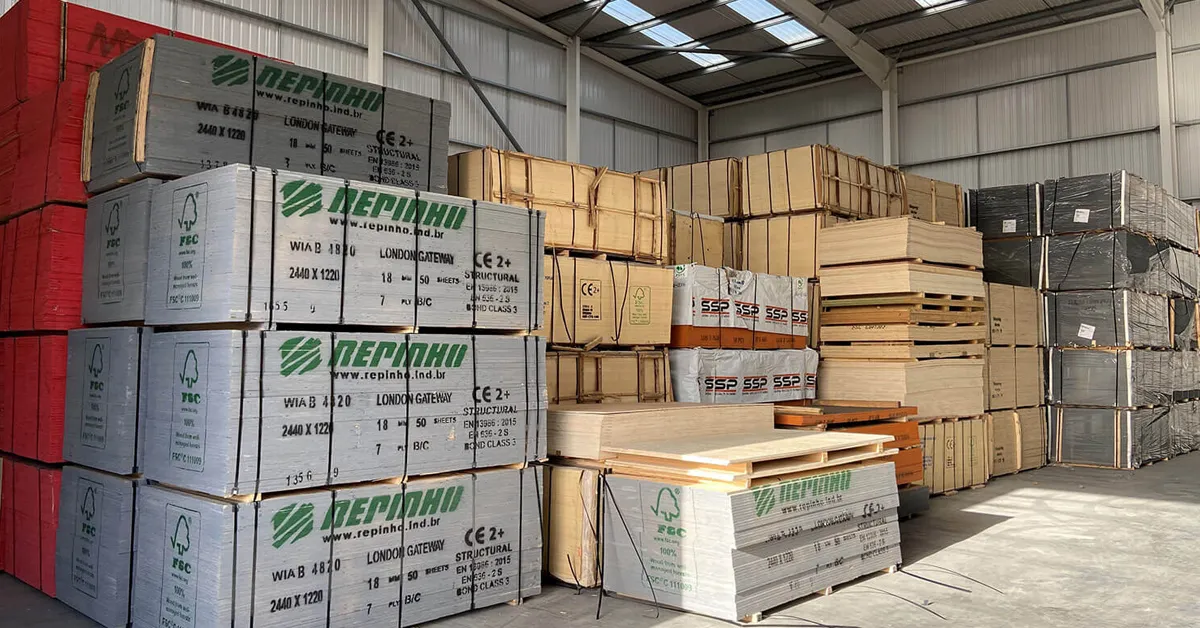
A timber quote is only useful if the products being priced are genuinely comparable. Two suppliers may both quote for “plywood”, “carcassing timber” or “treated timber”, but that does not necessarily mean the material is the same.
Before comparing prices, check:
- Timber grade
- Treatment level or whether it is treated at all
- Lengths and section sizes
- Sheet thicknesses and board type
- Finish or machining requirements
- Certified status where relevant
- Quantity basis, including whether the quote is by piece, pack or sheet
If one quote is based on C16 and another on C24, or one includes treated material and the other does not, the numbers are not directly comparable.
Likewise, one quote may allow for standard stock lengths while another includes longer lengths or more specific cutting requirements.
This is where wrong assumptions can become expensive: what looks like the cheaper option may simply be a different product. If you are still refining the specification, it helps to be upfront about that so the supplier can quote accurately and flag any assumptions clearly.
If you need a refresher on matching materials to the application, you can also read our guide on how to choose the right timber for your construction project.
2. Check exactly what is included in the quote
Once you are satisfied that the core products are comparable, look more closely at what each quote actually includes.
A good timber quote should be clear and detailed enough to show exactly what you are paying for. If it is vague, it becomes much harder to compare properly.
Things to check include:
- Delivery included or excluded
- Any machining or cut-to-size work included
- Lead time stated or assumed
- Availability confirmed or subject to stock
- Quantities clearly listed
- Any minimum order or transport conditions
- Quote validity period
- Whether VAT is included or shown separately
For example, one quote may appear lower until delivery is added. Another may not include any machining, while another supplier has included it from the start. A quote can also seem competitive until you discover the required lead time does not fit the programme.
The more clearly each supplier sets out what is included, the easier it is to compare the real value of the quote rather than just the headline price.
3. Look closely at delivery terms, lead times and logistics
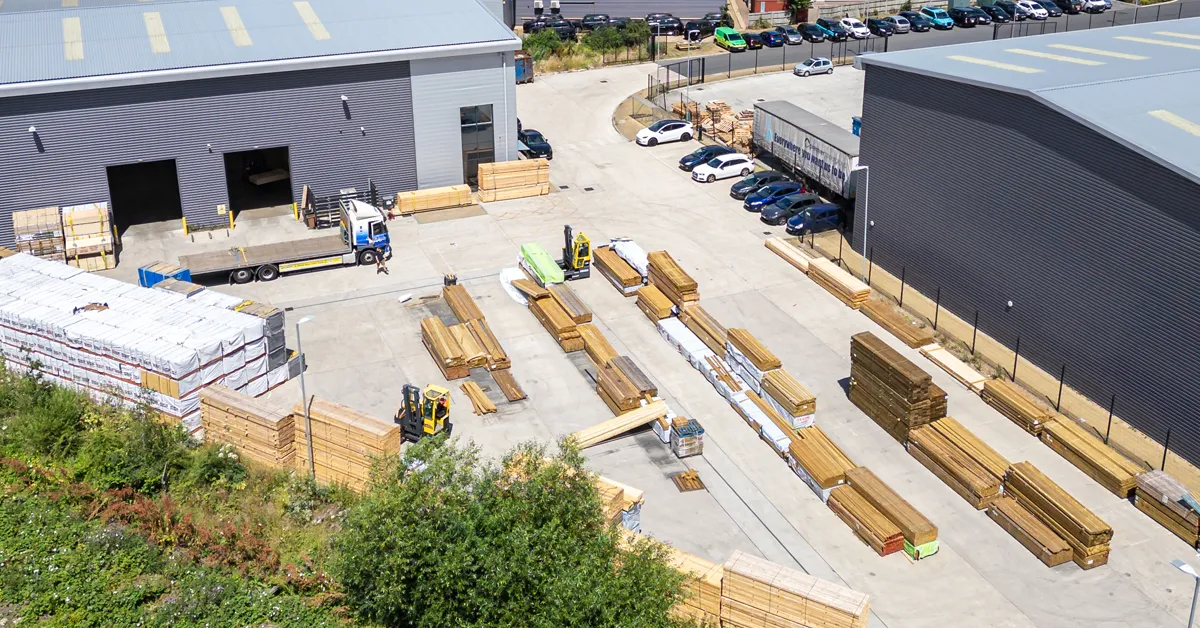
For most trade buyers, the timber quote is only part of the decision, because the delivery plan matters just as much.
A cheaper quote does not help much if the materials cannot arrive when you need them, or if site access issues have not been thought through properly.
When comparing quotes, ask:
- Can the supplier meet the required delivery date?
- Have they accounted for postcode, access restrictions and unloading arrangements?
- Is the quote based on one drop or phased deliveries?
- Have timed slots or booking-in requirements been considered?
- Are any delivery limitations or assumptions noted?
This matters whether you are ordering for a domestic build, a commercial package or a larger infrastructure-related programme. Delays on timber supply can affect labour, sequencing, storage and other trades waiting to start.
On phased programmes, it can also create knock-on problems for later orders and repeat deliveries.
A supplier that asks practical questions early is often easier to work with later. If you want to reduce delivery risk from the outset, read our guide on how to plan timber deliveries to avoid delays on site.
4. Consider the quality of service behind the quote
A timber quote is not just a price – it is also an early sign of how the supplier is likely to communicate and support the job.
When projects are moving quickly, the value of responsive service becomes obvious. If you need a specification checked, a delivery updated, or a repeat order turned around quickly, poor communication can cost more than a small saving on material price.
When comparing suppliers, pay attention to:
- How clearly they answer questions
- Whether they highlight assumptions or possible issues
- How quickly they respond
- Whether you have a direct point of contact
- Whether they understand the realities of site schedules and phased orders
Good service is about reducing friction. A supplier with dedicated sales support and account-managed service can make ordering easier, especially on repeat jobs or more complex projects.
If you are weighing up supplier quality as well as pricing, it may also help to read our guides on what to look for in a reliable timber merchant and supplier and the benefits of choosing an independent timber merchant.
5. Think about the total cost, not just the purchase cost
This is where many buying decisions become clearer.
The cheapest timber quote may still turn out to be the most expensive option overall if it leads to:
- Wrong materials arriving on site
- Delivery delays
- Reordering
- Wasted labour
- Programme disruption
- Storage issues
- Avoidable substitutions
- Extra admin chasing updates or correcting mistakes
For experienced buyers, this is often the real point of comparison.
A difference in unit price matters, but so does the risk attached to the order. A quote that is slightly higher but clearer, more complete and backed by better support may offer better overall value once time, coordination and reliability are taken into account.
This is especially true on fast-moving or spec-led jobs, where labour, access, crane time and booked delivery slots are already tied to the programme, and getting the wrong material or missing a delivery can have knock-on effects beyond the timber package itself.
6. Make sure the supplier understands the project, not just the product list
This is particularly important on larger, phased or technically demanding jobs.
The best timber suppliers understand how the materials fit into the wider job and can flag issues before they become problems.
That might mean asking about:
- Drawings or specifications
- Programme timing
- Access notes
- Repeat supply requirements
- Phased delivery schedules
- Quantity changes as the job develops
This kind of support can make a real difference when project requirements evolve over time. It is one reason many contractors prefer working with a supplier that offers practical advice and continuity, rather than a purely transactional quote.
If your project is moving quickly and speed is a priority, read our guide on how to get a fast timber quote and delivery sorted quickly, which covers the information that helps suppliers quote and plan more effectively.
Questions to ask when comparing timber quotes
Before making a decision, it is worth asking a few simple questions:
- Are the products exactly the same specification?
- Are grades, treatment and sizes clearly stated?
- Is delivery included, and for what date?
- Is anything subject to stock or availability?
- Are all assumptions and exclusions clearly stated?
- Are machining or cut-to-size requirements included?
- Have site access and unloading arrangements been considered?
- Is the quote suitable for phased or repeat supply if needed?
- Who will I speak to if something changes?
These questions can quickly show the difference between a basic price and a quote that is genuinely useful.
Choose the quote that gives you confidence
When you compare timber quotes properly, you are not just comparing numbers. You are comparing product accuracy, delivery planning, service quality and the level of risk attached to the order.
That is why the best quote is not always the lowest one. It is the one that helps you order with confidence, keeps the project moving, and reduces the chance of avoidable delays or added cost later on.
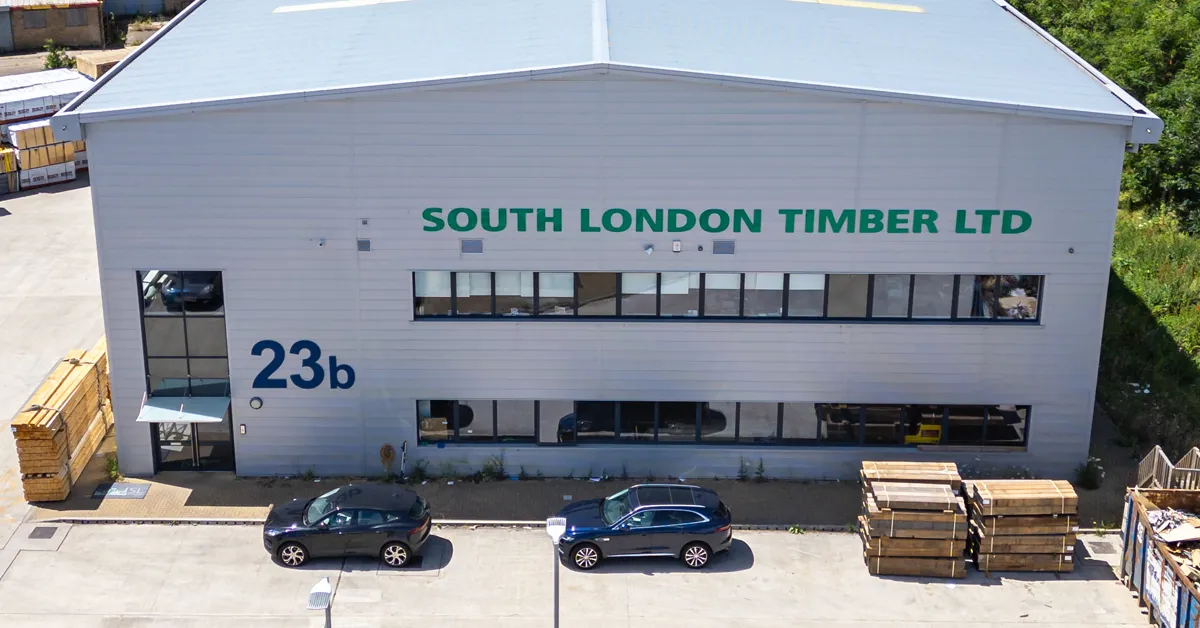
At South London Timber, we work with builders, contractors and buyers who need more than just a headline price.
From our base in Dartford, we support projects across London, Kent and the wider South East with quality timber and sheet materials, practical account-managed service, and delivery planning built around real project requirements.
If you would like us to quote, send over your sizes, quantities, delivery postcode, required date and any access notes, along with drawings or specifications where relevant.
Our team will help you compare like-for-like quotes and plan the right supply for your project.
- Call: 020 7252 8383
- Email: sales@sltimber.co.uk
- Complete the form on our Contact Us page