
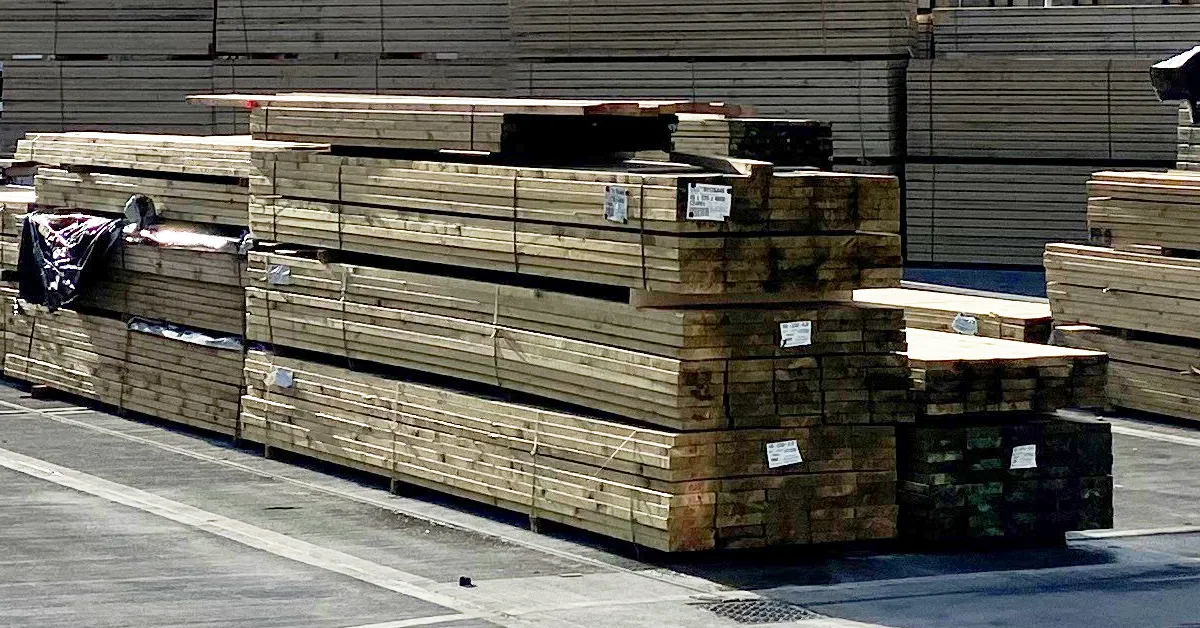
At a glance: Treated timber & Tanalith E
- Treated timber: Timber protected to resist decay, fungal attack and insect damage in higher-moisture environments.
- Tanalith E: A widely used treatment option (often identifiable by a green tint) suitable for many construction applications where durability is needed.
- Use treated timber when: Timber is external, near/in ground contact, or exposed to persistent damp/condensation.
- Untreated timber can suit: Internal, dry applications where treatment isn’t specified or necessary.
- Best practice: Always follow the drawings/spec and don’t substitute treated/untreated without checking.
If you’re unsure whether your project needs treated timber, tell South London Timber where it’s being used (internal/external), plus sizes and quantities, and we’ll help you specify the right option first time.
In construction, timber is chosen for strength, versatility and value – but like any material, performance depends on using the right product in the right place.
If timber is exposed to moisture, ground contact, or higher-risk environments, treatment can be the difference between a long-lasting build and premature deterioration.
For trade professionals, it’s also about compliance and reputation; using unsuitable timber can lead to call-backs, rework, and delays – especially when the risk could have been avoided with correct specification.
At South London Timber, our team helps builders, contractors and homeowners choose the most suitable timber for their project, including advising on when treated timber is required and what treatment level makes sense.
As part of our commitment to helping you choose the right timber for your construction project, this guide explains what treated timber is, what Tanalith E is, and when you do (and do not) need it.
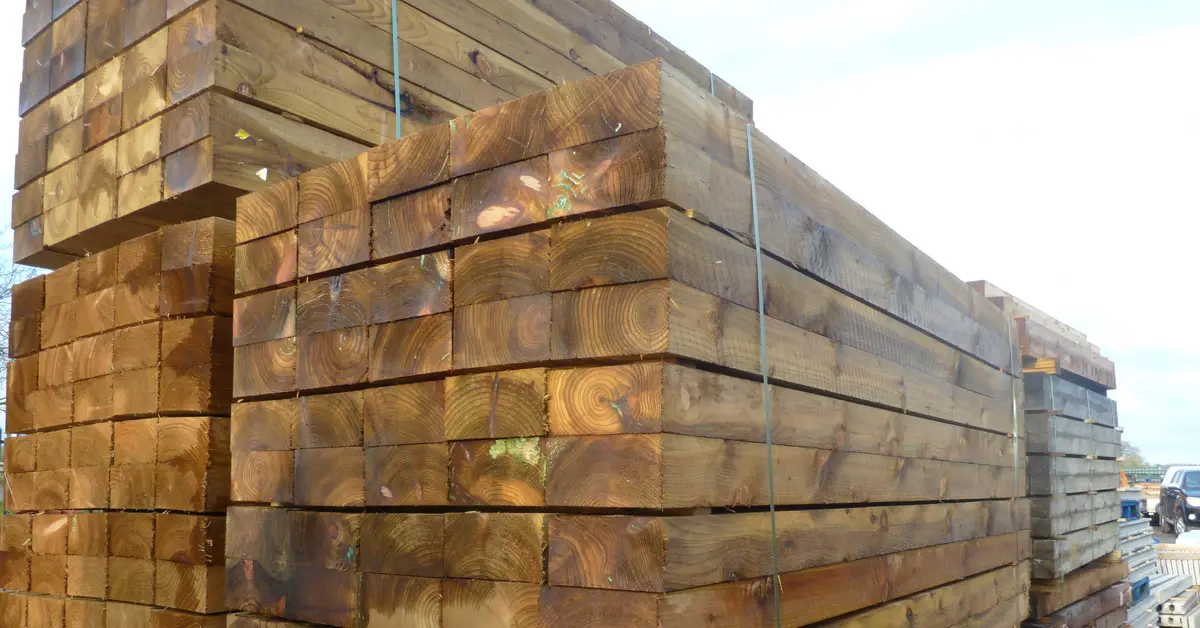
What is treated timber?
Treated timber is wood that has been protected with preservatives to increase resistance against decay, fungal attack and insect infestation.
Treatment is usually applied using controlled processes that help preservatives penetrate the timber fibres.
Treated timber is commonly used for:
- External structures and outdoor projects
- Areas with frequent moisture exposure
- Timber close to the ground or in contact with the ground
- Applications where long service life and durability are essential
It’s important to note that treatment doesn’t make timber waterproof. Instead, it helps timber resist biological decay in conditions where untreated timber would otherwise be vulnerable.
What is Tanalith E?
Tanalith E is a widely used modern timber treatment designed to help protect timber in applications where durability is required. It’s commonly associated with the familiar green tint many people recognise on treated timber.
As part of our wide range of products, we can treat timbers with Tanalith E – including carcassing timber – giving customers a reliable treated option for suitable project requirements.
Because treatment needs vary by application, the most important thing to decide is not just whether your timber is treated or untreated, but the correct treatment level for the exposure risk.
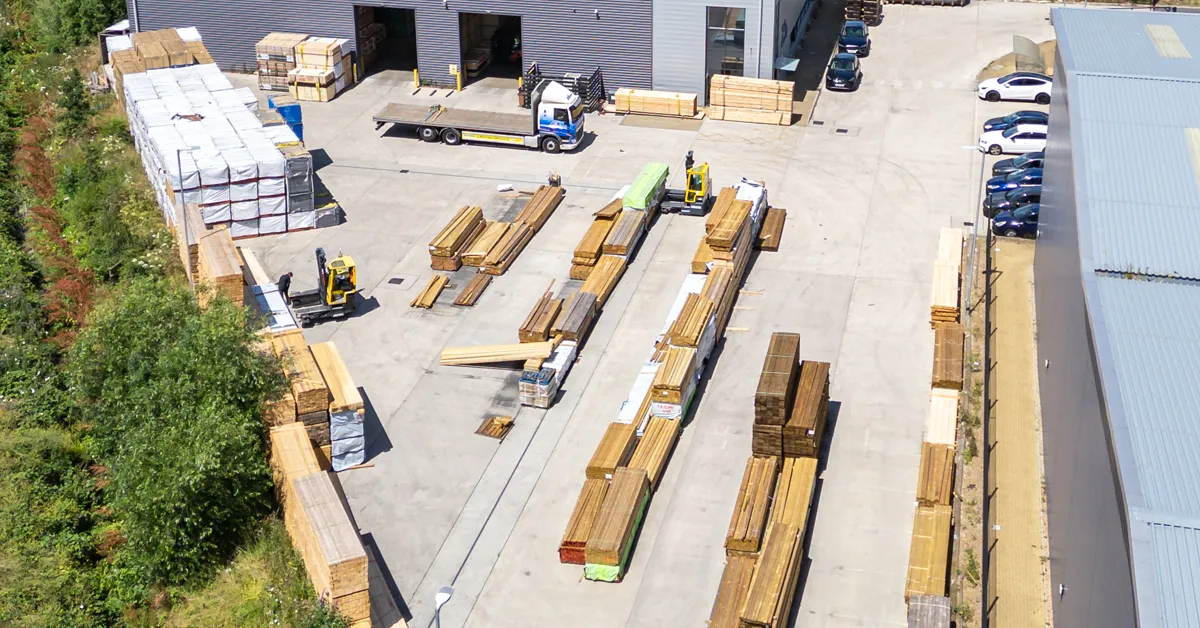
When do you need treated timber?
A useful rule of thumb: if timber is likely to experience persistent damp conditions or outdoor exposure, you should strongly consider treated timber and check the spec.
Here are common scenarios where treated timber is typically required:
1. External projects and exposed timber
If timber is being used outside – e.g. fencing frameworks, landscaping builds, external framing, outdoor storage structures – treatment is often essential due to weathering and moisture exposure.
2. Timber near the ground
Timber close to the ground is far more vulnerable to moisture and decay.
Even if it isn’t fully buried, splashback and damp conditions can create long-term risks.
3. High moisture environments
Bathrooms, utility spaces, basements, and areas prone to condensation can increase the risk of moisture-related timber issues.
Treatment may be required depending on the application and design.
4. Structural subfloors and enclosed voids
Subfloor areas or enclosed voids can experience limited airflow and higher humidity.
Treatment may be specified where moisture risk is higher.
5. Where the specification demands it
Many projects – particularly with commercial building works – specify treated timber clearly.
If your drawings or schedule call for treated timber, treat it as a non-negotiable. Don’t switch treated/untreated (or change treatment level) without confirming with the spec or engineer first.

When might untreated timber be the right choice?
Untreated timber is perfectly suitable for many applications. And in the right environment, it can perform extremely well.
Untreated timber may be appropriate when:
- The timber is used internally in dry conditions
- The design minimises moisture exposure
- Treatment is not required by drawings/spec
- The application is decorative or joinery-based, where treatment could affect finishing
The key to making the right choice is matching the timber to the environment and use case, and avoiding the common mistake of assuming treated is always better – over-specifying can add unnecessary cost, while under-specifying can create avoidable risk.
Common mistakes to avoid with treated timber
- Assuming treatment makes timber waterproof (it doesn’t – it helps resist biological decay)
- Using untreated timber externally “just for a short time” and leaving it exposed
- Substituting treated/untreated or changing treatment level without checking the specification
- Forgetting to plan for the real environment (e.g. splash zones, poor airflow, condensation)
Treated timber: What trade customers should check before ordering
To avoid delays and wrong-product deliveries, here’s a quick checklist you can use when ordering:
- Is the timber internal or external?
- Will it be exposed to rain or persistent damp?
- Is it near or in contact with the ground?
- What does the spec/drawing call for?
- Do you need a particular treatment level/hazard class?
- Do you need specific lengths or section sizes?
If you can answer these, our team can guide you quickly and make sure you’re specifying the most suitable option.
And if you’re not sure, that’s exactly what we’re here for too!
Sustainability: Treated timber and responsible sourcing
Sustainability matters – especially as more projects adopt environmental targets and procurement requirements.
As part of our environmental policy, we take sustainability seriously. We are proud to supply timber and sheet materials from certified sources with audited chain of custody, helping trade customers meet procurement and environmental requirements with confidence.
If you’re balancing durability and environmental requirements, our team can help you select materials that meet performance needs while supporting responsible procurement.

How South London Timber helps you get it right first time
Whether you’re a builder ordering for a live site, or a homeowner planning a renovation project, we believe timber selection should be simple, not stressful.
When you speak to South London Timber, you get:
- A knowledgeable sales team who understand site realities
- Advice on whether treatment is required (and what’s suitable)
- Support with sizes, lengths, grades and availability
- An ultra reliable timber delivery service across Kent and South East London – with wider UK delivery options available for qualifying orders – planned around real schedules
If you’re working on phased projects, repeat orders, or time-sensitive programmes, our account-managed approach helps keep supply consistent and communication clear.
Speak to the team for treated timber advice and supply
If you’re unsure whether you need treated timber, or you want to specify the right option for an external or moisture-prone application, we’re ready to help:
- Call: 020 7252 8383
- Email: sales@sltimber.co.uk
- Complete the form on our Contact Us page
Tell us what you’re building, where the timber will be used (internal/external), your sizes and quantities, and any drawings/specs – and we’ll recommend the most suitable option.
If you can, include the delivery postcode and any access restrictions or timed slot requirements – as this helps us plan quickly and accurately.