
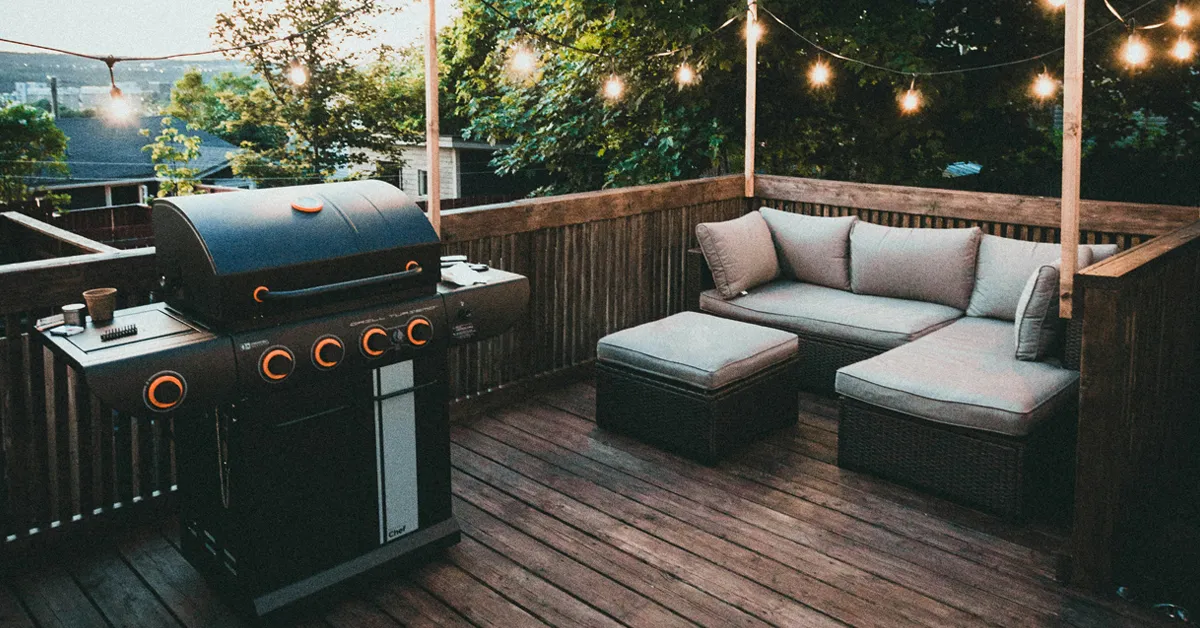
Summer is well and truly here – the time of year when gardens move back to the top of the to-do list.
Decking, fencing, sheds, raised beds… all the projects that got put off all winter suddenly feel urgent now the weather has turned and everyone is spending more time outside.
But timber that performs perfectly indoors can fail fast once it’s exposed to rain, soil and sunlight.
Whatever garden improvements you are planning, choosing the right timber from the start makes the difference between a project that lasts for years and one that needs replacing within a season.
The good news is that once you know what to look for, it’s a quick decision rather than a guessing game.
To help you plan your garden improvements, here’s a practical guide to help you choose the right timber, whatever you’re building.
At a glance: Timber for garden and landscaping projects
- Decking: Treated softwood suits most projects; hardwood offers a premium, lower-maintenance finish.
- Fencing and posts: Ground contact rated treated timber is essential, especially for posts.
- Raised beds and planters: Treated softwood is widely used for general garden use; a liner offers extra peace of mind if preferred.
- Sheds and garden buildings: Treated framing timber, paired with OSB3 for cladding and flooring.
- Still unsure? Speak to our team and we’ll help you choose.
Why does timber choice matter for outdoor projects?
Timber used indoors rarely faces anything more challenging than the odd spill or a bit of humidity. Outdoors, it’s a different story entirely.
Rain, ground moisture, soil contact and direct sun all accelerate decay and fungal attack, particularly where timber sits close to or in the ground. Without the right protection, even good-quality timber can start to fail within a year or two.
That’s why treatment matters so much more for garden projects than it does for most internal work.
For the fuller picture on what treatment actually does, our guide to treated timber and Tanalith E covers it in detail.
Getting it right from the outset is almost always cheaper than replacing failed timber a few years down the line.
A simple annual check, looking for cracks, soft spots or peeling finish, can catch small problems before they turn into a full replacement job.
What timber should you use for different garden projects?
Decking
Decking has two jobs to do at once. The substructure, joists and bearers need to be strong and fully treated, since it usually sits close to or in contact with the ground. The deck boards themselves need to cope with foot traffic, weather and constant UV exposure.
Treated softwood is the most popular choice for decking, offering a good balance of cost, availability and durability when properly treated and maintained.
Hardwood decking costs more upfront but typically needs less ongoing upkeep, and can outlast softwood by years if low maintenance is the priority.
Re-oiling or re-staining softwood decking every year or two helps maintain its appearance and water resistance, on top of the initial treatment.
Leaving a small gap between boards helps with drainage and air flow, reducing the risk of trapped moisture and rot.
For the structural side, our PAR softwood is machined to size and ready to use.
Fencing and posts
Fence posts face some of the toughest conditions of almost any garden timber, sitting partly buried in the ground in constant contact with soil moisture.
This makes ground contact rated treated timber essential, not optional. Using anything less can mean posts failing within a couple of seasons, however good the rest of the fence is.
Many posts are now set in metal post supports rather than directly in concrete, which helps reduce ground contact, though the timber itself still needs the right treatment rating.
Fence panels and rails face less extreme conditions but still benefit from a decent treatment level, particularly in exposed or shaded gardens where timber stays damp for longer.
A coat of fence paint or stain every few years helps maintain appearance, though it won’t replace the need for proper treatment underneath.
Raised beds and planters
A common question we’re asked is whether treated timber is suitable for raised beds and planters used to grow vegetables and other edible plants.
Modern treatments, such as Tanalith E, are widely used for this kind of general garden use. If you’d prefer extra peace of mind, lining the inside of the bed with a simple plastic liner is a straightforward precaution.
Thicker boards are generally a better choice for raised beds, since they’re more resistant to bowing under the weight of wet soil over time.
Either way, treated softwood remains a popular, durable choice for raised beds and planters that need to cope with constant soil contact and watering.
Sheds and garden buildings
Garden sheds and outbuildings need a combination of structural framing timber and sheet material, each doing a different job.
Treated timber is the right choice for the frame, since it needs to withstand years of weather exposure. For cladding, flooring and roofing, OSB3 is a popular, cost-effective option suited to both internal and external applications.
A solid, well-ventilated base also matters just as much as the timber itself, since trapped moisture underneath can undermine even well-treated frames.
A roof covering such as felt or shingles also helps protect OSB3 panels from standing water, since sheet materials are generally more vulnerable to prolonged damp than solid structural timber.
Whatever you’re building, getting the right combination of frame and sheet material from the outset avoids costly repairs further down the line.
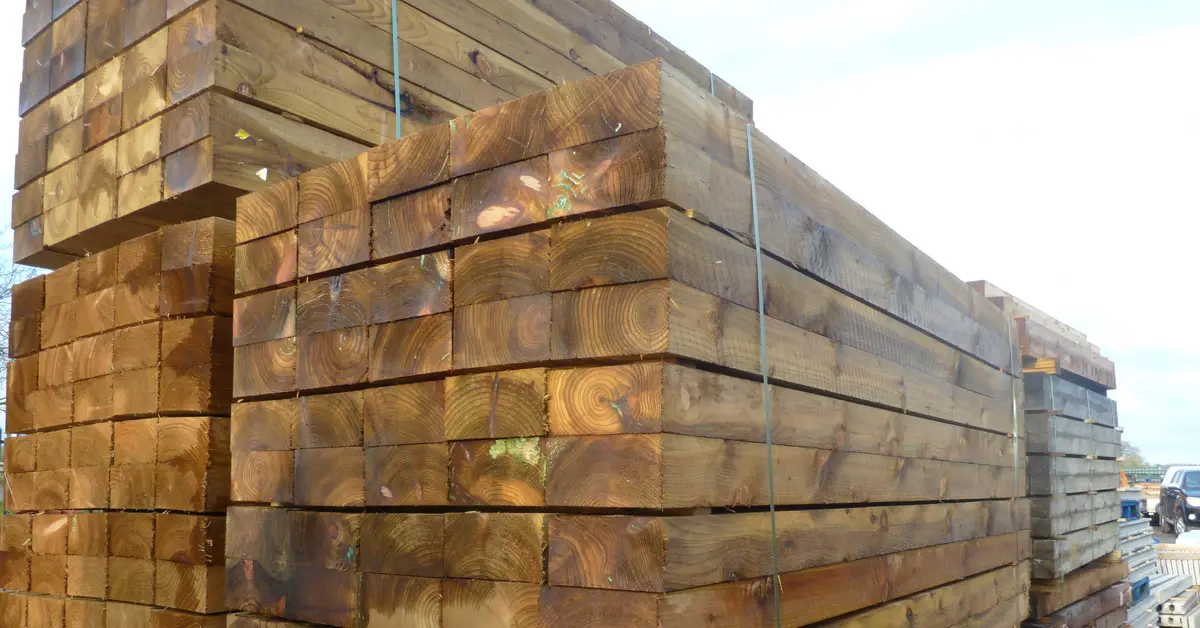
A few quick tips before you buy
Before you place an order, a few quick checks worth making:
- Always use ground contact rated treated timber for anything going into soil.
- Check the treatment hazard class matches your application, not just whether it’s treated.
- Factor in ongoing maintenance: hardwood typically needs less, softwood needs more regular care.
- Ask about delivery options for smaller or one-off orders if you’re not a regular trade customer.
- If your garden project is actually a bigger structural build, our guide to choosing the right timber covers grades and sheet materials in more depth.
Why choose South London Timber for garden and landscaping timber
Whether you’re a landscaper sourcing for a client, or a homeowner planning your own project, there’s no job too small for our team.
We supply treated and untreated softwood, hardwood, and a full range of sheet materials including OSB3, all sourced from certified, responsibly managed suppliers with full traceability through our supply chain.
You can browse our full range here or speak to our team for advice on your specific project.
Even for smaller domestic orders, you can expect the same quality, certified sourcing and helpful advice we provide to major contractors. We can also advise on collection or smaller delivery options if you don’t need a full load.
And because we deal with timber every day, our team can help you choose the right product and treatment level for the job – whether it’s for a single fence post or a full garden transformation.
Get in touch
If you’re not sure which timber is right for your garden or landscaping project, we’re happy to help.
Tell us what you’re building, and we’ll point you towards the right product and treatment:
- Call: 020 7252 8383
- Email: sales@sltimber.co.uk
- Complete the form on our Contact Us page