What is formwork and shuttering timber used for?
Formwork (sometimes called shuttering) is the temporary structure that holds wet concrete in place while it sets, giving it its shape and supporting it until it has enough strength to stand on its own.
Formwork timber and formwork plywood work together to build this structure:
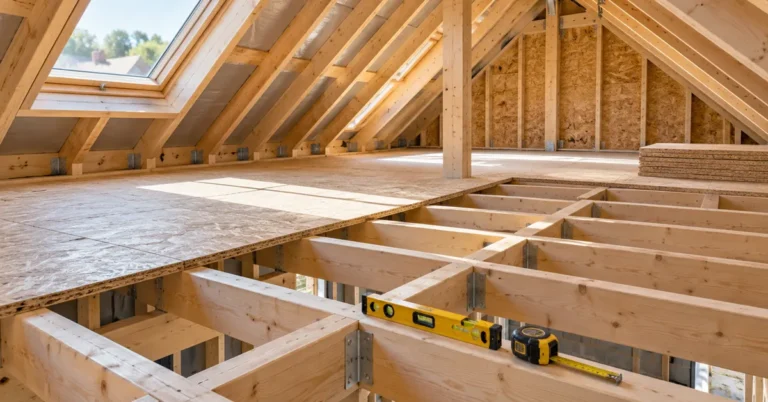
- Formwork timber typically forms the bearers, walers and studs – the structural backbone that keeps everything square, level and rigid during the pour.
- Formwork plywood and specialist panels form the face of the mould – the surface in direct contact with the wet concrete, which determines the finish once it’s stripped out.
Formwork is used across almost every type of concrete construction, from foundations, footings and slabs, to columns, walls and more complex elements on infrastructure and civil engineering projects.
Getting the specification right matters: the wrong panel, grade or finish can mean a poor concrete surface, reduced reuse, wasted material, or delays while replacement stock is sourced.
Formwork timber vs formwork plywood – which do you need?
This is one of the most common questions we’re asked, and the answer is usually both – as they do different jobs within the same system.
Formwork timber is a lower-grade planed sawn timber commonly used for concrete shuttering. It’s the structural framework that holds your panels in place and takes the load of the wet concrete as it’s poured.
We stock the following sizes as standard, all fully certified:
- 70 x 145 (4.8 metre length)
- 70 x 95 (4.8 metre length)
- 45 x 145 (4.8 metre length)
- 45 x 95 (4.8 metre length)
Other sizes are available upon request.
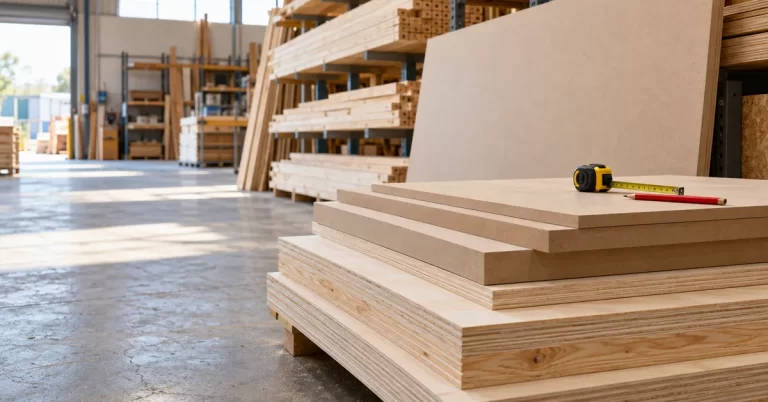
Formwork plywood is the face material that comes into contact with the concrete itself. We can source a wide range of fully certified formwork panels in different thicknesses and sizes, depending on the finish and reuse requirements of your project.
Essentially, formwork timber builds the structure, formwork plywood (or a specialist panel) shapes the finish. Most formwork systems on site need a combination of both.
Choosing the right panel for your pour cycle and finish
Once the structural timber is sorted, the next decision is which panel to use as the concrete face – and this comes down to the finish you need and how many times you expect to reuse it.
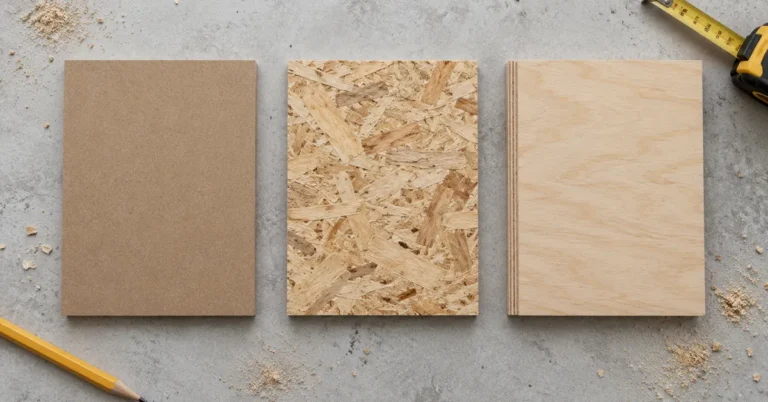
We supply several formwork panel options:
- Film Faced plywood produces a shiny, smooth finish and is a popular, cost-effective choice where a clean, consistent surface is the priority.
- Pourform 107 is a Medium Density Overlay (MDO) plywood with a Douglas Fir core, producing an exceptional matte finish. It’s exceptionally strong and can typically be reused around 10–15 times – a strong option for repeat pour cycles and fully certified.
- Tulsaform is another MDO plywood, with a Chilean Radiata Pine core, a paper face on one side and a backer on the reverse for extra stability. It can be reused approximately 10 times and is fully certified.
- Elliotis Shuttering uses softwood elliotis plywood in builders grade and structural CE2+, mainly for internal applications, though it can be used externally too.
When choosing, think about how many pours the panel needs to survive (higher reuse counts favour Pourform or Tulsaform over standard film faced ply), the finish you need (shiny film faced suits most standard exposed concrete; matte MDO suits architectural or feature concrete), and your budget and programme length.
If you’re unsure, our team is always happy to talk through the application and recommend the right option.
Reuse, strength and finish quality explained
Reuse is often the biggest factor in the total cost of a formwork programme – a panel that costs more per sheet but lasts significantly more pours can work out cheaper overall than a budget option needing replacement after a handful of uses.
A few things worth bearing in mind: strength and core construction matter as much as face finish, so panels like Pourform, with a Douglas Fir core, are built to withstand repeated handling and re-erecting without losing structural integrity.
Careful handling and storage – such as protecting edges, avoiding unnecessary damage during striking, and storing panels flat and covered between pours – all help you get the full reuse count out of your investment.
Finish quality can also degrade with reuse, so if a consistent architectural finish is critical throughout a long programme, it’s worth discussing panel rotation with your supplier in advance.
Matching the panel to the job avoids paying for reuse capability you don’t need, or under-specifying for a programme that runs longer than planned.
Sizes and stock we supply
We hold stock of the following formwork sizes, with other sizes available on request for larger or more technical packages:
- Formwork timber: 70 x 145, 70 x 95, 45 x 145 and 45 x 95, all in 4.8 metre lengths
- Film Faced plywood: 8×4 (2440×1220mm), 18mm thickness
- Pourform 107: 8×4 (2440×1220mm), 18mm thickness
- Tulsaform: 8×4 (2440×1220mm), 18mm thickness
- Elliotis Shuttering: 8×4 (2440×1220mm), 12mm and 18mm thickness
For formwork timber prices, bespoke sizes, or larger volume enquiries, please contact our sales team – as prices and availability can vary, we always recommend speaking to us directly for an accurate, up-to-date quote.
Why choose South London Timber for formwork timber supply
Formwork is one of the areas we know best.
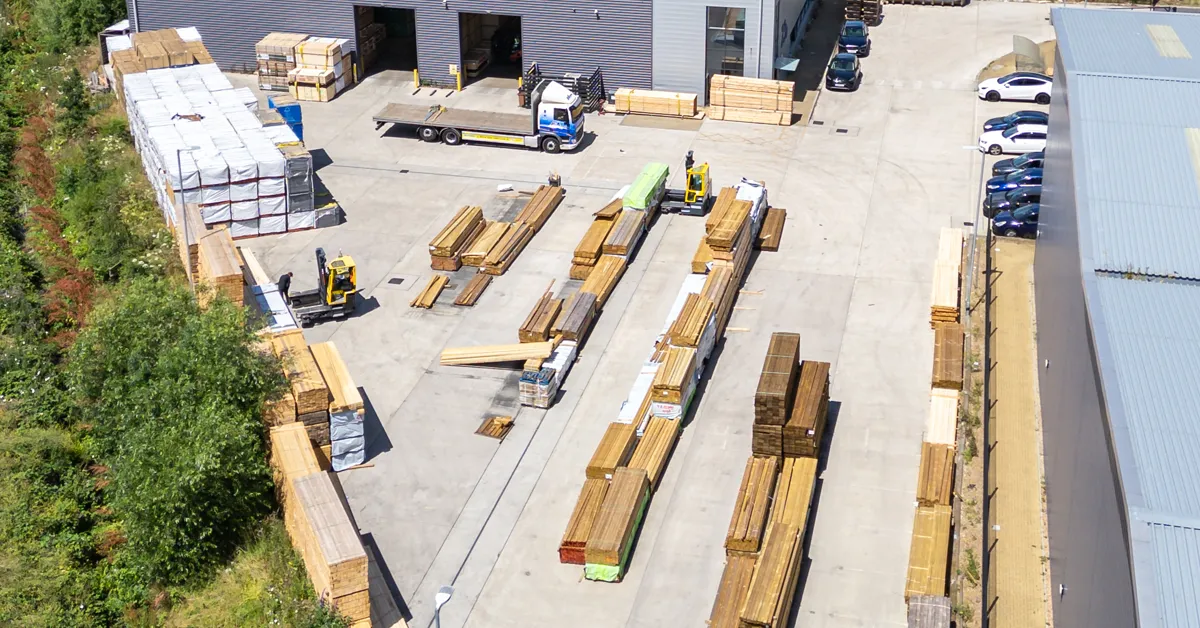
As a leading supplier to the formwork industry, we’ve supported everyone from local groundworks contractors to some of the country’s largest infrastructure programmes, including Battersea Power Station, the Elizabeth Line and the Thames Tideway Tunnel.
When you order formwork timber or plywood from us, you get:
- Over 30 years’ experience supplying formwork and shuttering materials to the construction trade.
- A full range of formwork timber and panel options, from standard film faced ply to high-reuse Pourform and Tulsaform systems.
- Fully certified products backed by audited chain of custody.
- Account-managed service with a direct contact who understands pour cycles and phased programmes.
- Reliable, digitally tracked delivery across London, Kent and the South East, with wider UK delivery options for qualifying orders.
Whether you’re pricing a single pour or planning supply across a multi-phase programme, our team can help you specify the right combination of formwork timber and panel for the job.